
Eco-Friendly Landscaping Tips for Each Season in Dornsife


Spring: Revitalize Your Garden with Native Plants
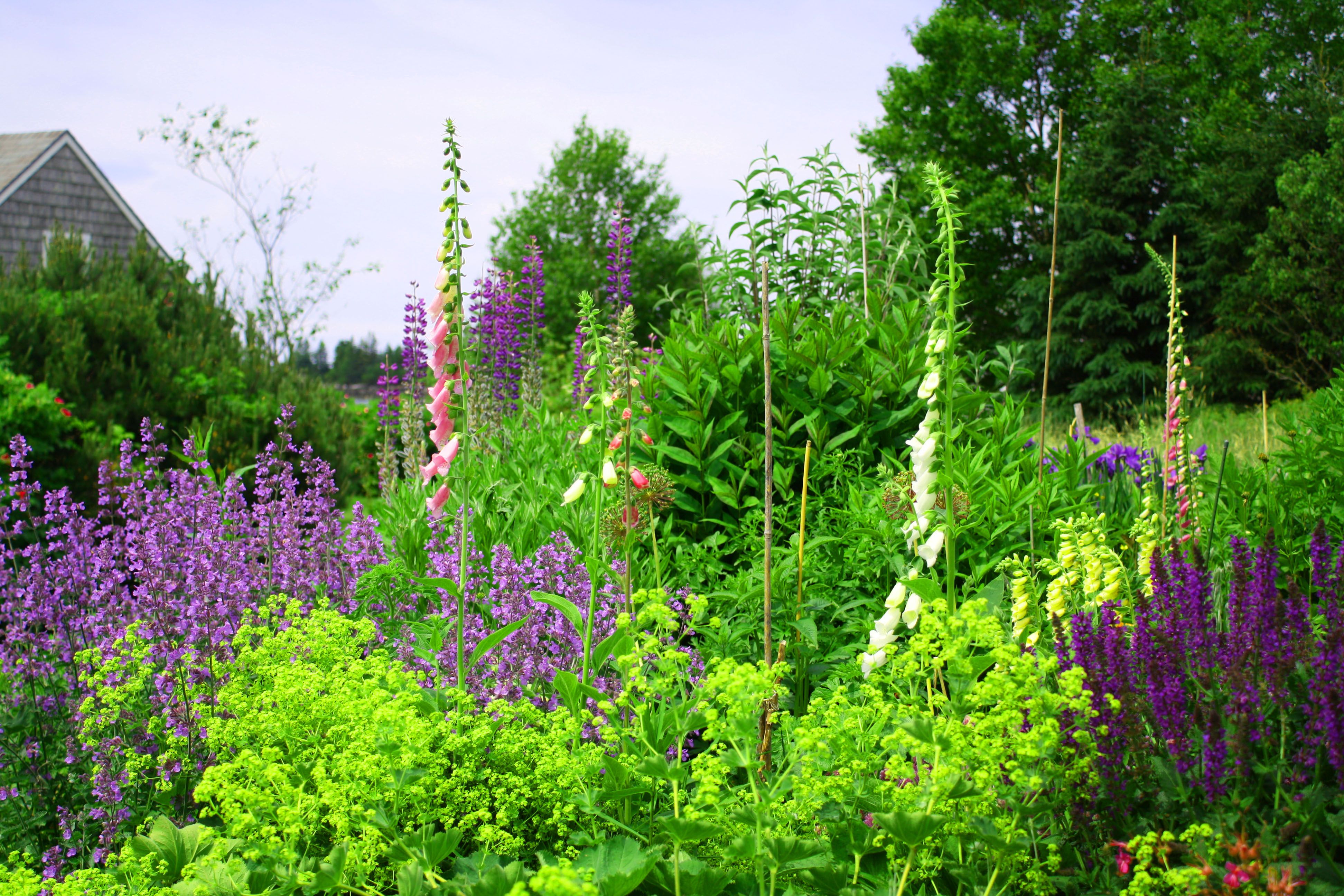
As spring arrives in Dornsife, it's the perfect time to revitalize your garden with native plants. These plants are well-suited to the local climate and require less water and maintenance. By choosing native species, you can create a sustainable and thriving ecosystem in your backyard.
Consider planting perennials such as coneflowers, black-eyed Susans, and bee balm. These plants not only provide beautiful blooms but also attract beneficial pollinators like bees and butterflies, enhancing biodiversity in your garden.
Composting: A Sustainable Practice
Spring is also an excellent time to start composting. Composting helps reduce waste and enriches your soil naturally. Collect kitchen scraps, yard waste, and fallen leaves to create nutrient-rich compost. This practice not only benefits your garden but also reduces your carbon footprint.
Summer: Embrace Water Conservation
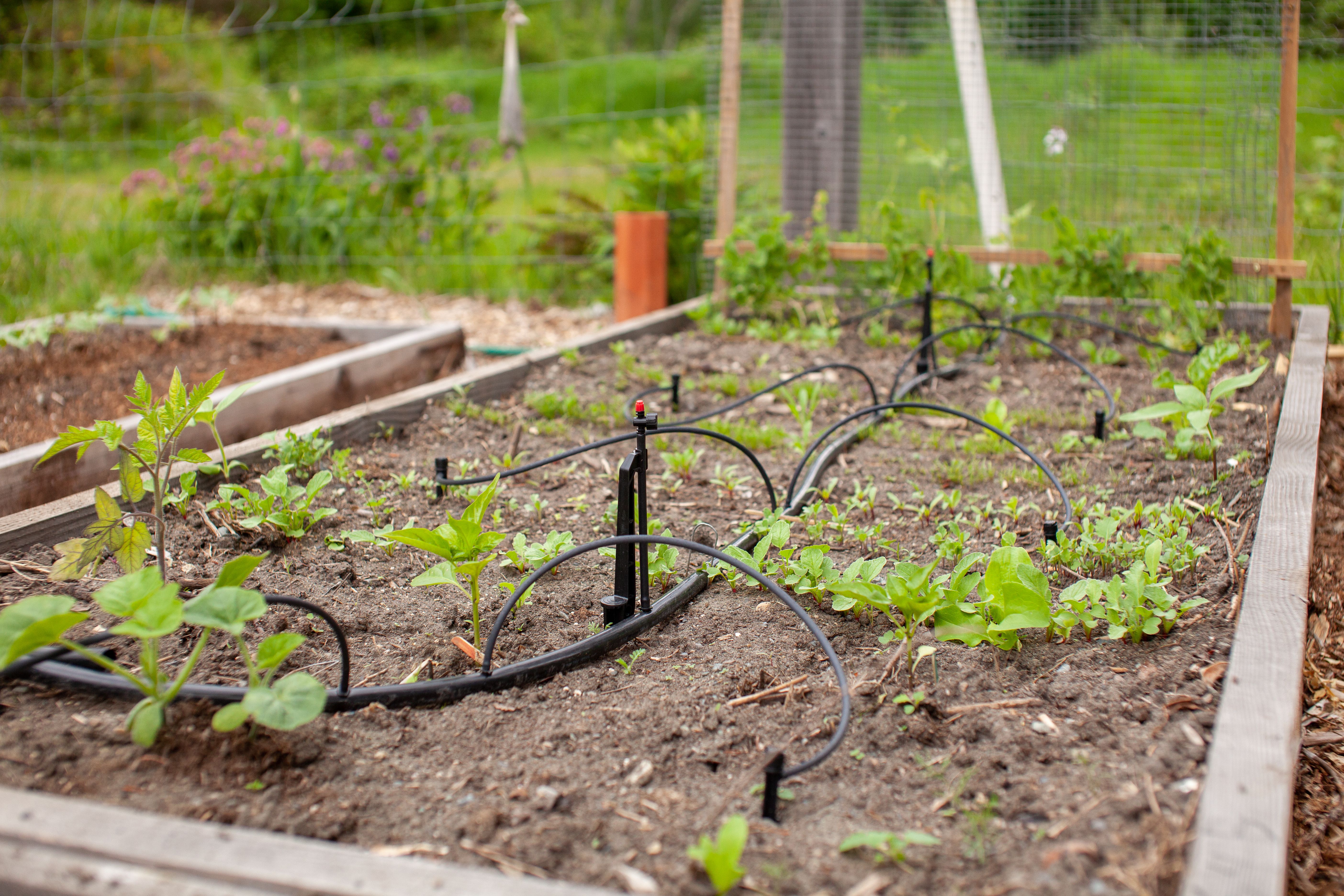
With summer's heat, water conservation becomes crucial. Implementing eco-friendly watering techniques can make a significant difference. Consider installing a drip irrigation system, which delivers water directly to plant roots, minimizing evaporation and water waste.
Additionally, water your garden early in the morning or late in the evening to further reduce evaporation. Using mulch around your plants can help retain moisture, keeping your garden hydrated during the hottest months.
Opt for Drought-Tolerant Plants
Incorporating drought-tolerant plants into your landscape is another effective way to conserve water. Varieties such as lavender, yucca, and sedum can thrive with minimal watering, ensuring your garden remains vibrant and eco-friendly throughout summer.
Fall: Prepare Your Garden for Winter
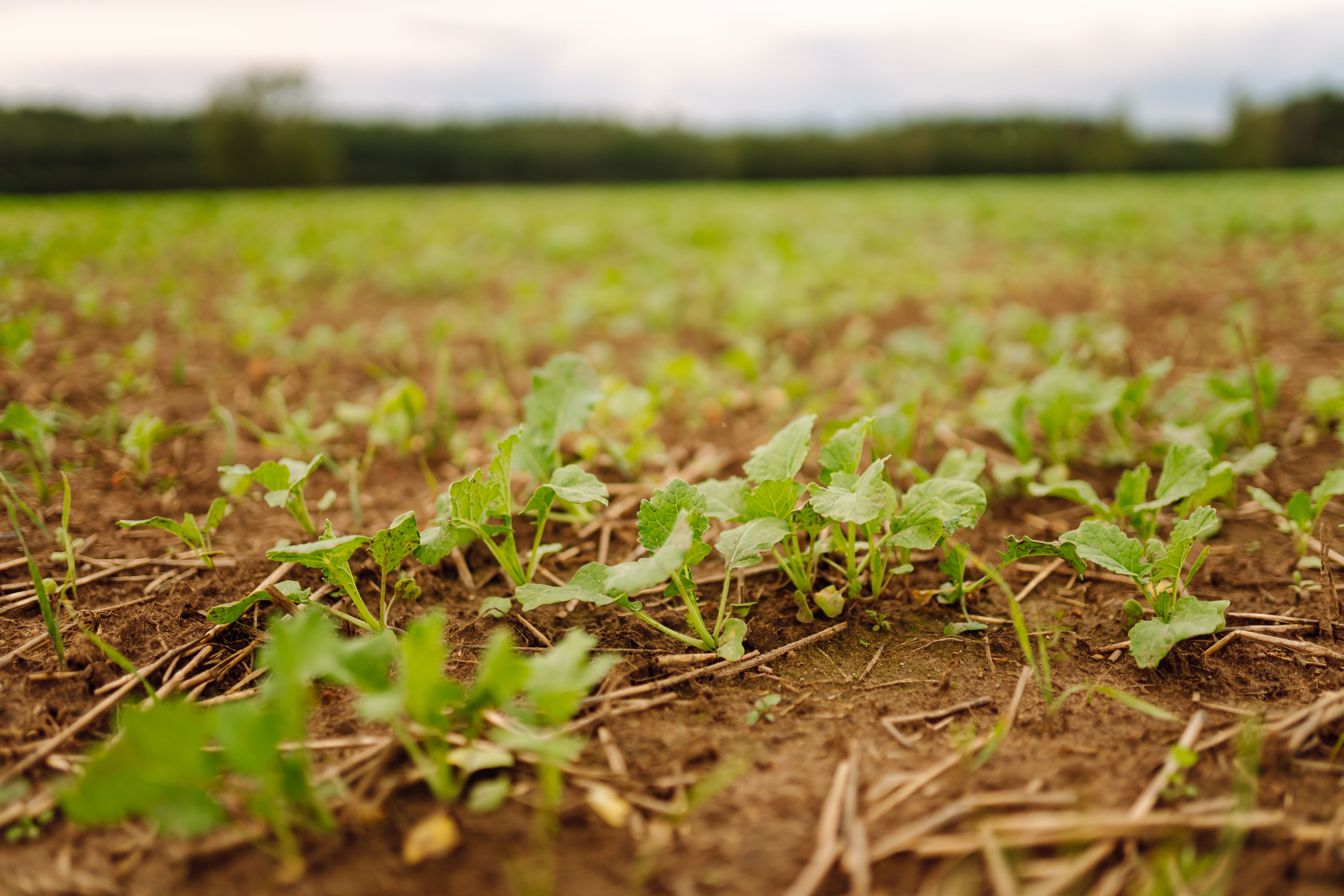
As fall approaches, it's time to prepare your garden for the colder months. This season is ideal for planting cover crops like clover and vetch, which enrich the soil and prevent erosion. These plants help fix nutrients in the soil, ensuring a fertile garden come spring.
Rake fallen leaves and use them as mulch to protect plant roots from frost. This not only insulates the soil but also provides habitat for beneficial insects, promoting a balanced ecosystem in your garden.
Pruning and Maintenance
Fall is also perfect for pruning and general maintenance. Trim back overgrown branches and remove dead or diseased plants. This prepares your garden for new growth in the spring and helps maintain a tidy and healthy landscape.
Winter: Plan for the Year Ahead
Winter is the time to plan and strategize for the coming year. Consider designing a layout that incorporates more sustainable practices, such as rain gardens or permeable pathways, which help manage stormwater effectively.
Take this opportunity to research and order seeds for the spring, focusing on native and heirloom varieties that promote biodiversity. Winter planning ensures that when the warmer months arrive, you're ready to implement eco-friendly practices in your landscape.
Indoor Gardening Projects
While outdoor gardening may slow down, winter is an excellent time to explore indoor gardening projects. Try growing herbs or small vegetables on your windowsill. This not only provides fresh produce but also improves indoor air quality.