
DIY Hardscaping: How to Create Stunning Patios on a Budget


Understanding Hardscaping
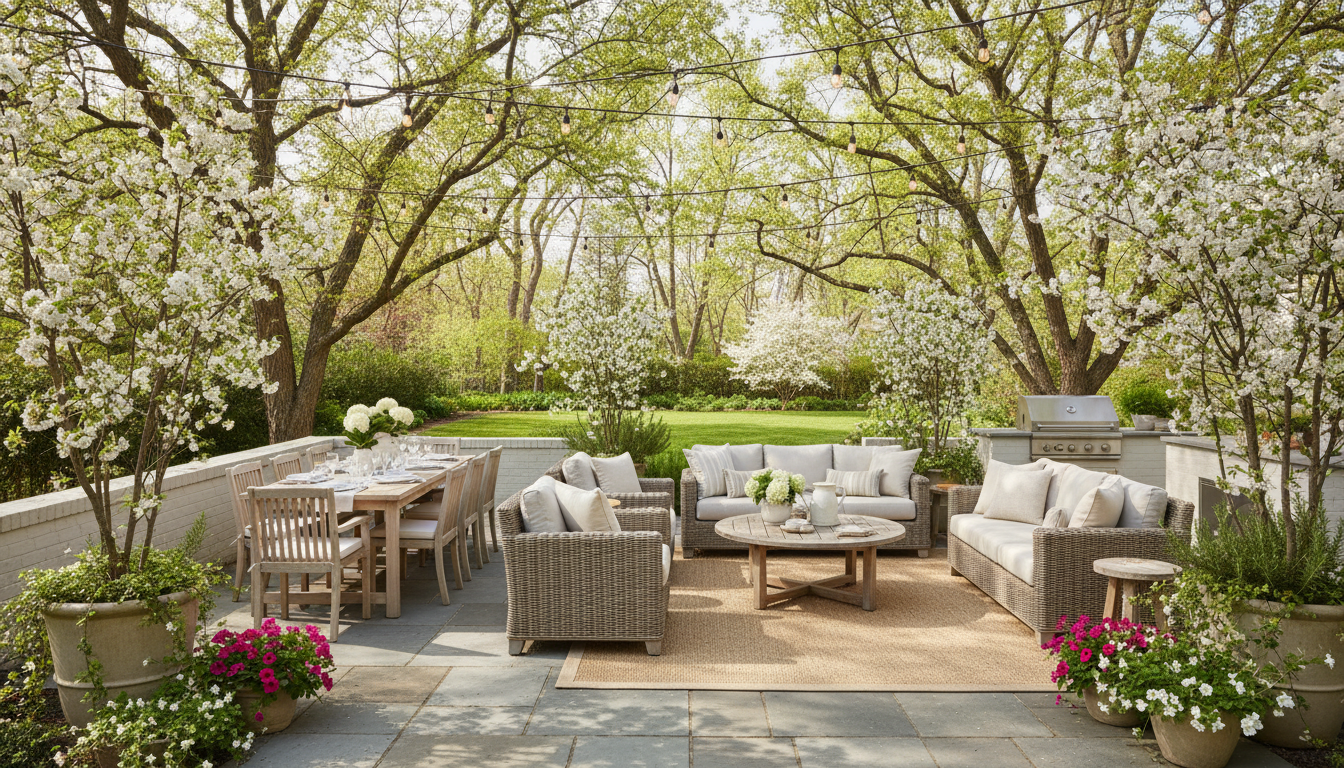
Hardscaping refers to the non-living elements of landscaping, such as patios, pathways, and retaining walls. These features can enhance the aesthetics and functionality of your outdoor space. Creating a stunning patio doesn't have to break the bank. With some DIY enthusiasm, you can transform your backyard into a beautiful oasis.
When planning your hardscaping project, consider the overall design and the materials you'll use. A well-designed patio can improve your home's value and provide a perfect spot for relaxation and entertainment.
Choosing the Right Materials
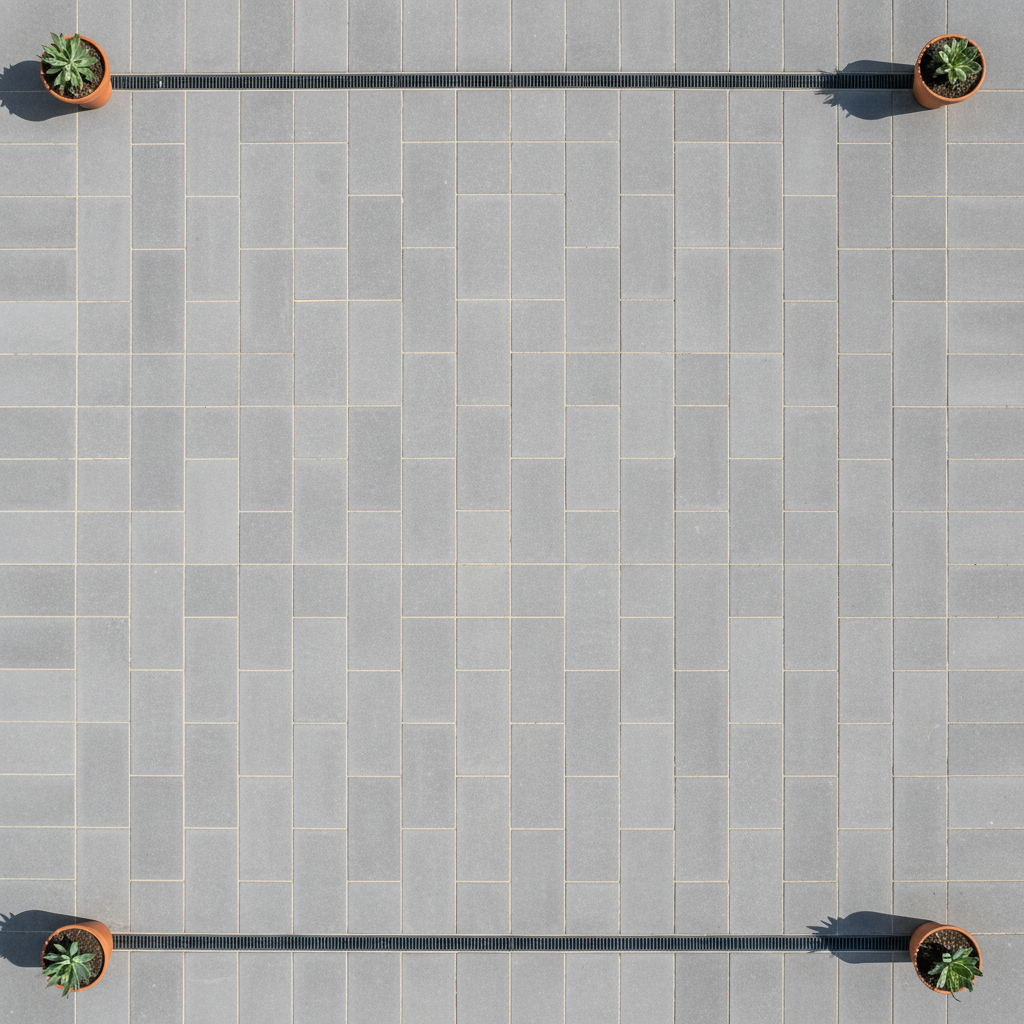
One of the first steps in DIY hardscaping is selecting materials that fit your budget and style. Common materials include concrete, bricks, and pavers. Each offers unique benefits and aesthetic appeals. Concrete is affordable and versatile, while bricks provide a classic look. Pavers come in various shapes and colors, allowing for creative designs.
When shopping for materials, look for sales or discounts at local home improvement stores. You might also find recycled materials online or through community groups, providing both savings and sustainability.
Planning and Design
Before you start building, create a detailed plan. Sketch your patio layout, considering factors such as size, shape, and location. Think about the purpose of your patio. Will it be a dining area, a lounge space, or both? This will influence your design choices.
Consider the flow of traffic and how the patio connects with other parts of your yard. Proper planning ensures a cohesive and functional design.
Building the Patio
Once you have a plan, it's time to break ground. Start by marking the area and removing any grass or debris. Level the ground and lay a base layer of gravel for drainage. Compact the gravel to create a stable foundation.
Next, lay a layer of sand and level it. This sand base will hold your chosen materials in place. Begin placing your pavers or bricks, starting from one corner and working your way out. Use spacers to ensure even gaps between pieces.
Finishing Touches
After laying the materials, fill the gaps with sand or grout to secure them. Sweep the surface to remove excess sand. For added durability, consider sealing the patio to protect against weather and wear.
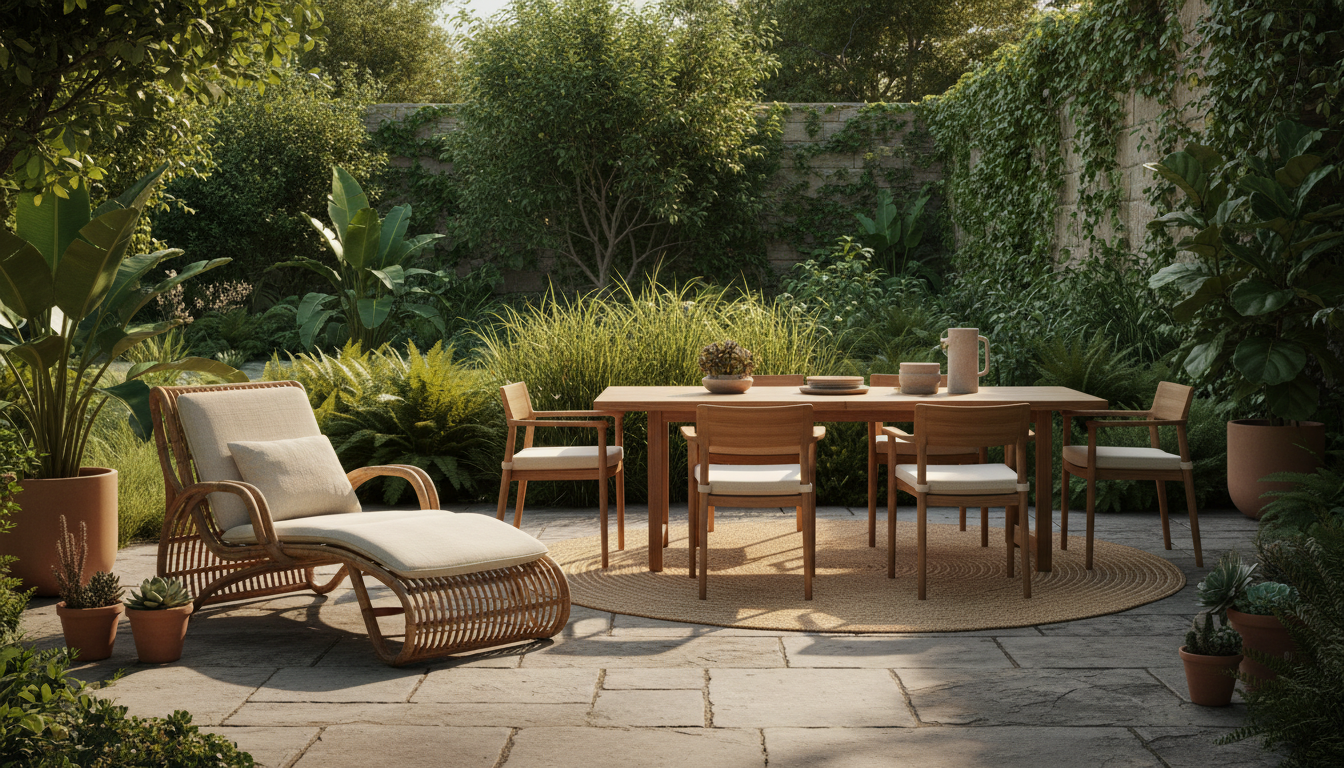
Accessorize your patio with furniture, plants, and lighting for a personalized touch. Adding these elements will enhance the overall ambiance and make your patio a welcoming outdoor space.
Maintaining Your Patio
Regular maintenance will keep your patio looking its best. Sweep the surface to remove dirt and debris. Occasionally, wash it with water to prevent stains. Inspect the patio for any shifting or settling, and adjust as needed.
By staying proactive with maintenance, you ensure the longevity and beauty of your DIY hardscaping project.
With these steps, you can create a stunning patio that fits your budget and enhances your outdoor living experience. Enjoy your new space for relaxation and entertainment!